Wazwan: The Royal Feast of Kashmir - Complete Culinary Guide
Wazwan is not merely a meal; it is an institution, a ceremony, and a defining element of Kashmiri identity. This legendary multi-course feast, featuring up to 36 elaborate dishes prepared by master chefs called Wazas, represents the pinnacle of Kashmiri culinary tradition. Rooted in centuries of history and refined through generations, Wazwan is an experience that engages all senses - the aromatic spices, the visual splendor of copper platters, the elaborate rituals, and of course, the extraordinarily rich flavors. In this comprehensive guide, we explore everything about Wazwan - from its fascinating history and the artistry of its preparation to the proper etiquette of eating and where to experience authentic Wazwan in Kashmir.
## The History and Origins of Wazwan
The history of Wazwan stretches back several centuries, with roots tracing to the influence of Central Asian and Persian cuisine on Kashmir's culinary landscape.
### Persian Influence
The most widely accepted theory attributes Wazwan's origins to the 14th century when Timur (Tamerlane), the Turko-Mongol conqueror, invaded India. Skilled cooks who had learned their craft in the courts of Samarkand accompanied his armies, and some remained in Kashmir, blending their techniques with local ingredients and tastes.
### The Word "Wazwan"
- "Waz" derives from "Vasta" meaning a cook or chef
- "Wan" refers to a shop or place
- Together, Wazwan means "the cook's art" or "the chef's place"
### Evolution Through Centuries
Over centuries, Wazwan evolved from courtly cuisine of rulers to become integral to Kashmiri Muslim social life. Every significant occasion - weddings, engagements, religious celebrations, and even funerals - calls for Wazwan. The feast has survived empires, political changes, and modernization, remaining remarkably unchanged in its essence.
## The Waza: Master Chefs of Kashmir
The Waza is not just a cook; he is an artist, a keeper of traditions, and often the inheritor of recipes passed down through seven or eight generations. Understanding the Waza's role is essential to appreciating Wazwan.
### The Waza Tradition
- Wazas belong to particular families that have specialized in this cuisine for generations
- The skills are passed from father to son in an apprenticeship that begins in childhood
- A Waza typically specializes in certain dishes, though master Wazas know all recipes
- Wazas guard their recipes closely; exact proportions are rarely written down
### The Kitchen (Wazawan)
A traditional Wazwan is prepared in a temporary outdoor kitchen set up near the event venue:
- Large copper vessels (degs) ranging from 25 to 200 liters
- Wood-fired hearths
- Traditional grinding stones
- Team of assistant cooks (Vasta Waza)
### The Preparation Process
Preparation begins days before the event:
- Day -3: Procurement of meat (typically mutton/lamb from specific breeds)
- Day -2: Preparation of masalas and spice mixes
- Day -1: Marination of meats
- Day 0: Actual cooking begins before dawn
## The Traditional Wazwan Meal Structure
A full traditional Wazwan comprises 36 courses, though modern celebrations often serve 7-15 courses. The dishes are categorized as follows:
### The Trami - Communal Eating
Wazwan is traditionally served in a "Trami" - a large copper platter from which four people eat together. Each trami contains a complete serving of all dishes.
### Course Sequence
**Opening (Welcome Dishes)**:
1. **Methi Maaz**: Lamb cooked with fenugreek
2. **Tabak Maaz**: Crispy fried lamb ribs - the star appetizer
**Main Courses**:
3. **Rista**: Smooth minced meat balls in red gravy - traditionally served first
4. **Rogan Josh**: The iconic lamb curry in aromatic gravy
5. **Daniwal Korma**: Lamb with coriander
6. **Aab Gosh**: Lamb cooked in milk
7. **Marchwangan Korma**: Fiery red chili lamb curry
8. **Dhaniwal**: Lamb with fresh coriander
9. **Yakhni**: Lamb in yogurt-based gravy
10. **Syun Olav**: Lamb with onions
**The Grand Finale**:
11. **Gushtaba**: Large meat balls in white yogurt gravy - traditionally the last meat course
- Eating the Gushtaba signals the end of the meat courses
- It's considered rude to ask for more meat after Gushtaba
**Accompaniments**:
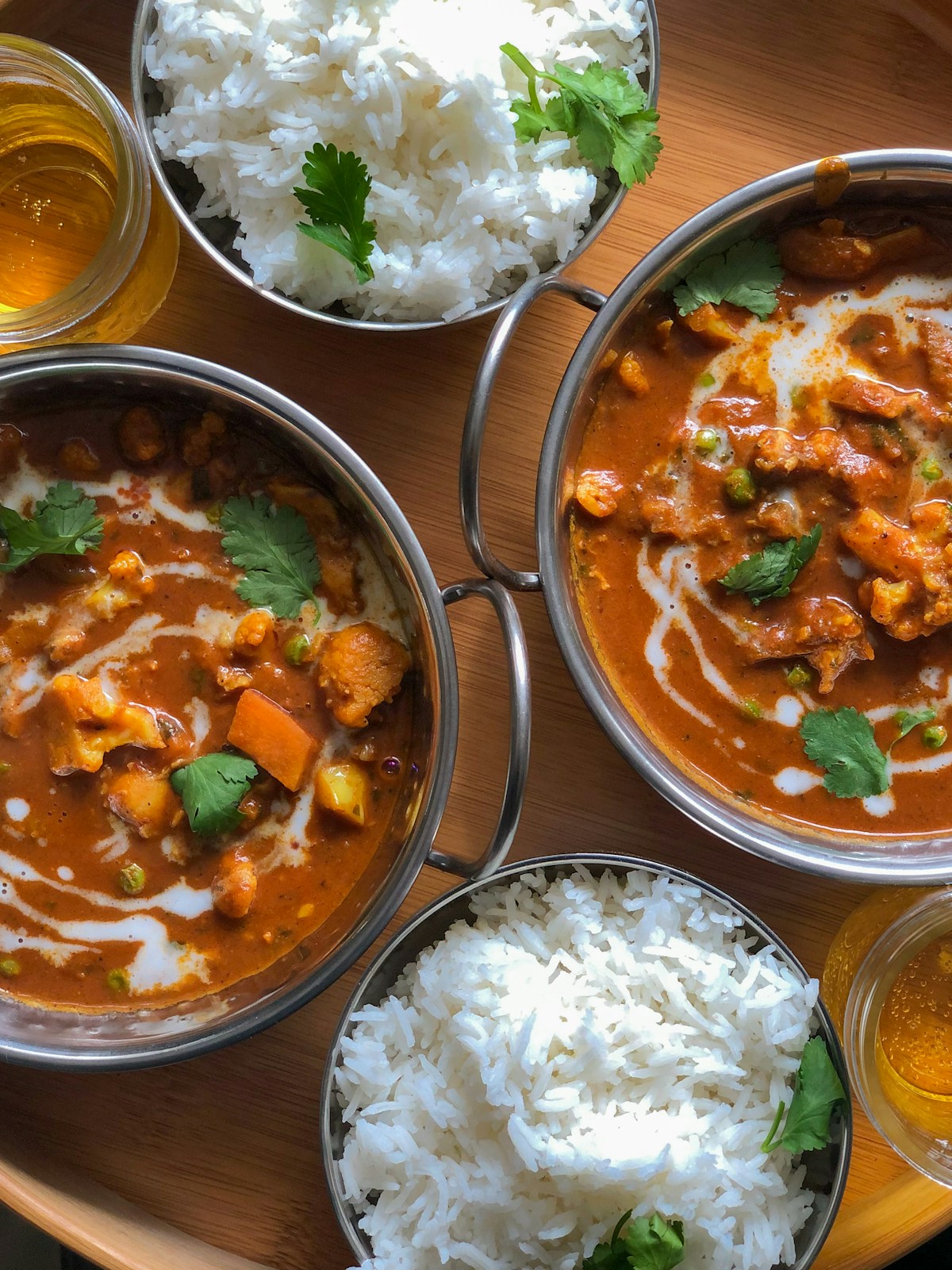
- **Rice**: Fragrant long-grain rice, often with saffron
- **Kashmiri Roti**: Traditional bread
- **Chutney**: Walnut or mint-based
- **Salad**: Simple onions and tomatoes
- **Dahi (Yogurt)**: To balance the richness
**Dessert/Palate Cleansers**:
- **Phirni**: Rice pudding
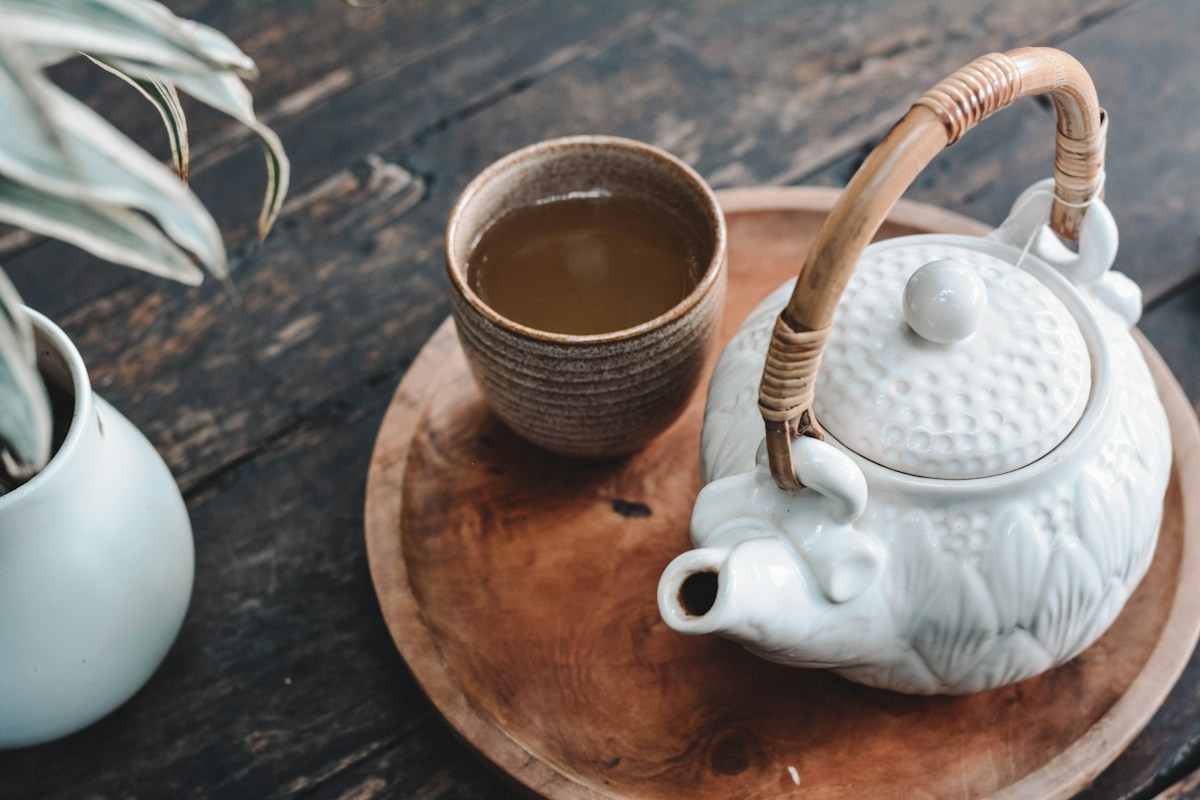
- **Kahwa**: Green tea with saffron and almonds
## The Star Dishes in Detail
### Rista (Red Meat Balls)
- Minced meat pounded until completely smooth
- Shaped into balls and cooked in red gravy
- Gravy made with red Kashmiri chilies (flavor, not heat)
- First meat course in sequence
- Signifies the beginning of the meal
### Rogan Josh
- Perhaps Kashmir's most famous dish worldwide
- "Rogan" means oil; "Josh" means heat/passion
- Lamb pieces in aromatic red gravy
- Key spices: Fennel, ginger, Kashmiri chilies, cinnamon
- Slow-cooked for tender meat
- Rich color from Mawal (cockscomb flower)
### Tabak Maaz
- Lamb ribs, boiled then deep-fried until crispy
- Served golden brown with crispy texture
- Often considered the appetizer highlight
- Name means "plate-filling rib"
- Perfect balance of crispy exterior and tender meat
### Gushtaba
- Large soft meat balls in white yogurt gravy
- Meat pounded until absolutely smooth
- Balls are poached rather than fried
- White gravy from yogurt and milk
- Delicate flavoring with fennel and dried ginger
- Signals end of meat courses
### Yakhni
- Lamb in yogurt-based curry
- Subtle flavoring with minimal spices
- Aromatic with bay leaves and cloves
- Lighter than red gravies
- Often served toward meal's end
## Wazwan Etiquette and Traditions
### Before the Meal
- **Tash-t-Nari**: Guests wash hands in a basin brought around by attendants
- Warm water is poured over hands into a copper basin
- This ritual purification is essential before eating
### During the Meal
- Four people share one Trami (large copper plate)
- Eat with right hand only
- Take food only from the portion of Trami directly in front of you
- The host ensures the Trami is constantly replenished
- Polite to taste every dish
### Proper Eating Technique
- Mix rice with gravy on your section of the Trami
- Use fingers to form small portions
- Lift food to mouth without dripping gravy
- Accept seconds when offered (refusing may offend)
- Say "Bismillah" before eating
### Signaling Meal End
- Eating the Gushtaba indicates meal completion
- Formally wash hands again with Tash-t-Nari
- Thank the host and Waza
- Traditionally, no more food is served after you've eaten Gushtaba
## Where to Experience Authentic Wazwan
### In Srinagar
**Mughal Darbar**:
- Address: Dalgate, Srinagar
- Type: Restaurant
- Known For: Tourist-friendly Wazwan experience
- Serves: Individual portions and mini-Wazwan sets
- Price Range: ₹600-1,500 per person
**Ahdoos Hotel**:
- Address: Residency Road, Srinagar
- Type: Historic hotel restaurant
- Known For: Traditional recipes, colonial-era ambiance
- Serves: Various Kashmiri dishes including Wazwan items
- Price Range: ₹500-1,200 per person
**Shamyana Restaurant**:
- Address: Boulevard Road, Srinagar
- Type: Restaurant
- Known For: Authentic local experience
- Serves: Full Wazwan experience on request
- Price Range: ₹400-1,000 per person
### Traditional Wazwan Experience
For the most authentic experience, attend a Kashmiri wedding or celebration. Some tour operators (including Frozen Kashmir Tours) can arrange:
- Community feast experiences
- Private Wazwan dinners at houseboats
- Visits to watch Wazas prepare the meal
- Cooking classes with traditional chefs
### What to Pay
**Restaurant Mini-Wazwan**: ₹800-2,000 per person
**Traditional Feast (if attending wedding/event)**: Free as a guest
**Private Arranged Wazwan**: ₹2,000-5,000 per person
**Cooking Experience with Waza**: ₹3,000-7,000 per person
## The Flavors of Kashmiri Cuisine
### Key Spices
**Kashmiri Red Chili**: Deep red color, mild heat, essential for color
**Fennel (Saunf)**: Signature Kashmiri flavor
**Dried Ginger (Sonth)**: Adds warmth without heat
**Cinnamon (Dalchini)**: Aromatic sweetness
**Cardamom (Elaichi)**: Both green and black used
**Saffron (Kesar)**: The costly crown jewel
**Mawal Flower**: Natural red coloring
### Cooking Techniques
**Dum Cooking**: Slow cooking in sealed vessels
**Pounding Meat**: For silky-smooth Rista and Gushtaba
**Roasting Spices**: Developing complex flavors
**Layering Flavors**: Building taste in stages
## Beyond Wazwan: Other Kashmiri Cuisine
### Vegetarian Dishes
Despite Wazwan's meat focus, Kashmiri cuisine includes excellent vegetarian dishes:
- **Dum Aloo**: Spiced baby potatoes
- **Haak**: Collard greens, minimally spiced
- **Nadru (Lotus Stem)**: Crispy or in gravy
- **Chaman Kaliya**: Paneer in turmeric gravy
- **Kashmiri Pulao**: Sweet saffron rice
### Street Food
- **Sheermal**: Sweet bread perfect with kahwa
- **Bakerkhani**: Flaky salt bread
- **Lavasa**: Traditional unleavened bread
- **Tujji**: Kashmiri seekh kebab
### Beverages
- **Kahwa**: Green tea with saffron, cardamom, almonds
- **Noon Chai**: Pink salted tea
- **Sharbat**: Sweet cold drinks in summer
## Tips for First-Time Wazwan Experience
1. **Come Hungry**: The feast is substantial
2. **Pace Yourself**: Many courses to enjoy
3. **Try Everything**: Each dish is unique
4. **Use Right Hand**: Traditional eating method
5. **Accept Hospitality**: Refusing food can offend
6. **Appreciate the Meat**: It's always lamb/mutton, never beef
7. **End with Kahwa**: Aids digestion
8. **Thank the Waza**: Compliments are appreciated
## Conclusion
Wazwan represents far more than food - it embodies centuries of Kashmiri culture, hospitality, and craftsmanship. The feast brings families together, celebrates life's milestones, and connects generations through shared traditions.
For visitors to Kashmir, experiencing Wazwan is essential to understanding the region's soul. Whether through a restaurant meal or the unforgettable experience of attending a traditional celebration, the flavors, aromas, and rituals of Wazwan will leave an indelible impression.
The artistry of the Waza, the community of sharing a Trami with strangers who become friends, the progression from the bright red Rista to the creamy white Gushtaba - this is culinary culture at its finest. Wazwan is not just eaten; it is experienced, remembered, and cherished.
**Culinary Tip**: Contact Frozen Kashmir Tours to arrange an authentic Wazwan experience - from restaurant recommendations to traditional feast arrangements and even cooking classes with master Wazas. We help you taste the true essence of Kashmiri hospitality.