Kashmiri Kahwa: Traditional Tea Culture Guide
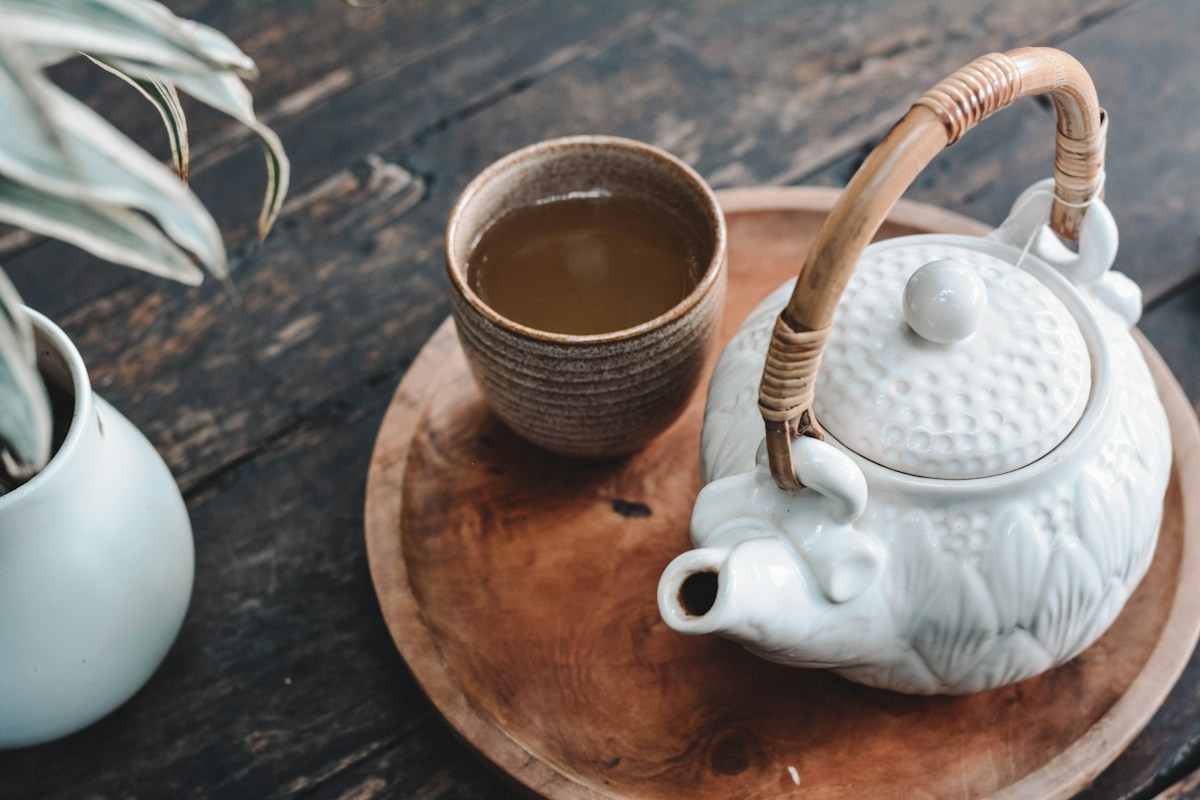
Kahwa is far more than just tea in Kashmir - it is a centuries-old tradition, a symbol of hospitality, and an integral part of daily life. This aromatic beverage, infused with saffron, cardamom, cinnamon, and almonds, embodies the warmth and refinement of Kashmiri culture. Whether sipped in a houseboat on Dal Lake or shared with new friends in a local home, Kahwa offers both comfort and connection.
## The History of Kahwa
### Origins
- Believed to have arrived via the Silk Road
- Persian and Central Asian influences
- Adapted to local Kashmiri ingredients
- Evolved over centuries
### Cultural Significance
- Symbol of hospitality
- Served to all guests
- Part of celebrations and daily life
- Social bonding ritual
### The Name
"Kahwa" derives from the Arabic word "Qahwa" meaning invigorating drink, the same root as "coffee."
## Traditional Ingredients
### Essential Components
**Green Tea Base**:
- Typically Chinese green tea
- Sometimes Kashmiri green tea
- Provides the caffeine base
- Light and delicate flavor
**Saffron (Kesar)**:
- The crown jewel ingredient
- Kashmiri saffron world-renowned
- Adds color, aroma, flavor
- Contains antioxidants
**Cardamom (Elaichi)**:
- Green cardamom preferred
- Adds sweet, spicy notes
- Digestive properties
- One of more expensive spices
**Cinnamon (Dalchini)**:
- Warming flavor
- Health benefits
- Kashmir variety aromatic
- Pairs with cardamom
**Almonds (Badam)**:
- Crushed or sliced
- Adds richness and texture
- Floats on top
- Traditional garnish
### Optional Additions
- Rose petals
- Dried ginger
- Cloves
- Honey or sugar (traditional is unsweetened)
## Health Benefits
### Proven Benefits
**Antioxidant Rich**:
- Green tea polyphenols
- Saffron compounds
- Fights free radicals
**Digestive Aid**:
- Cardamom and cinnamon
- After-meal tradition
- Reduces bloating
**Metabolism Boost**:
- Green tea catechins
- Warms the body
- Mild energy boost
**Cold Weather Comfort**:
- Warming spices
- Helps circulation
- Winter essential
**Stress Relief**:
- Ritual of preparation
- Aromatic relaxation
- Mindful drinking
### Traditional Use
Kahwa is particularly valued in winter when Kashmiris believe it helps:
- Keep body warm
- Fight colds
- Aid digestion of rich Wazwan
- Provide energy
## Traditional Preparation
### Equipment
**Samovar**:
- Traditional brass urn
- Uses charcoal for heating
- Keeps Kahwa warm for hours
- Cultural artifact
**Modern Alternative**:
- Stove-top kettle
- Teapot
- Small saucepan
### Authentic Recipe
**Ingredients (4 cups)**:
- 4 cups water
- 2 tablespoons green tea
- 4-6 strands saffron
- 4 green cardamom pods (crushed)
- 1 small cinnamon stick
- 8-10 almonds (blanched, sliced)
- Honey to taste (optional)
**Method**:
1. Bring water to boil
2. Add cinnamon and cardamom
3. Simmer 3-4 minutes
4. Add green tea leaves
5. Remove from heat immediately
6. Add saffron strands
7. Cover and steep 2-3 minutes
8. Strain into cups
9. Garnish with almonds
10. Sweeten if desired
### Tips for Perfect Kahwa
- Don't boil green tea (becomes bitter)
- Use good quality saffron
- Crush spices fresh
- Serve immediately
- Use clear cups to appreciate color
## Where to Experience Kahwa
### Houseboats
- Served as welcome drink
- Part of houseboat experience
- Traditional preparation
- Authentic atmosphere
### Tea Houses
**Traditional Chai Khanas**:
- Local tea shops
- Authentic experience
- Very affordable
- Old city Srinagar
### Restaurants
- Most restaurants serve Kahwa
- Quality varies
- Ask for traditional style
### Hotels
- Usually available
- Often modernized recipes
- Request authentic preparation
### Buy to Take Home
**Where to Purchase**:
- Lal Chowk spice shops
- Government emporiums
- Supermarkets
- Airport shops
**What to Buy**:
- Pre-mixed Kahwa packets
- Loose ingredients (better quality)
- Saffron separately (check quality)
- Small samovar (souvenir)
## Noon Chai: The Pink Tea
### Different from Kahwa
- Made with special tea leaves
- Uses baking soda for pink color
- Milk-based
- Salted, not sweet
- Unique to Kashmir
### Taste Profile
- Creamy and slightly salty
- Rich and warming
- Traditionally with Kashmiri bread
- Winter favorite
### Where to Try
- Local tea shops
- Traditional restaurants
- Homes (if invited)
## Modern Kahwa Variations
### Kahwa Latte
- Fusion of Kahwa and espresso
- Urban cafes in Srinagar
- Appeals to younger generation
### Iced Kahwa
- Summer version
- Cold brewed
- Less traditional but refreshing
### Kahwa Concentrate
- For busy modern life
- Just add hot water
## Cultural Etiquette
### Accepting Kahwa
- Always accept when offered
- Refusing considered impolite
- Shows appreciation for hospitality
### Serving Kahwa
- Guests served first
- Refills offered multiple times
- Host drinks last
### Hospitality Connection
Offering Kahwa to guests is one of the strongest expressions of welcome in Kashmir. The quality of Kahwa served often reflects how valued the guest is.
## Conclusion
Kahwa represents the essence of Kashmiri hospitality - warm, aromatic, and made with care. Whether you experience it in a houseboat at dawn, in a busy old city tea shop, or make it yourself at home, this traditional beverage offers a taste of Kashmir's rich cultural heritage. Take some home, learn the preparation, and share the warmth of Kashmiri hospitality wherever you are.
**Cultural Experience Tip**: Frozen Kashmir Tours can arrange authentic Kahwa experiences including visits to saffron farms, Kahwa preparation sessions, and local tea house visits. Taste the true essence of Kashmiri hospitality with local guidance.